 Research
Which Sites Block AI Crawlers? We Read 4,762 robots.txt Files
Training crawlers are blocked twice as often as AI search crawlers. Who blocks what, from an October 2026 crawl of the top 10,000.
 Research
llms.txt Adoption: How Many of the Top 10,000 Sites Have One?
16.1% of top websites serve an llms.txt, and about half of those files break the format.
 Research
Structured Data on the Top 1,000 Homepages: What AI Crawlers See
JSON-LD, Organization markup and visible text on 486 homepages, read without JavaScript.
 Research
robots.txt Mistakes and New Directives in 4,762 Top Sites
The lines crawlers silently skip, Crawl-delay and Noindex leftovers, and early Content-Signal adoption.
 Research
Do AI Visibility Tools Follow Their Own Advice? 18 Vendors Checked
Robots.txt, llms.txt and structured data on 18 vendors’ homepages, ours included.
 GEO Tactics
How to Get Your Brand Mentioned by Claude
Claude’s three crawlers, the three search providers Anthropic lists, and a plan.
 GEO Tactics
How to Get Your Brand Cited by Perplexity
How Perplexity finds and footnotes pages, and how to become one of them.
 GEO Tactics
How to Get Your Brand Mentioned by Gemini
Grounding in Google Search, and the Google-Extended setting most sites misread.
 GEO Tactics
How to Appear in Google AI Overviews and AI Mode
Google’s own requirements, query fan-out, and the controls that keep you out.
 GEO Tactics
How to Get Your Brand Cited by Microsoft Copilot
Copilot asks Bing a few words and cites what comes back. What that means for you.
 Measurement
How to Test Whether a GEO Change Actually Worked
A practical experiment design for GEO, with the sample sizes you need to detect a real lift.
 Research
ChatGPT vs Gemini vs Claude: Which AI Assistants People Search For in the US and UK
Monthly Google searches for nine AI assistants in the US and UK, and what it means for where to be visible.
 Research
GEO, AEO or LLM SEO? What 2026 Search Data Says the Field Is Called
US and global search demand for GEO, AEO, LLM SEO and AI-visibility terms, with the full table.
 Research
Which AI Crawlers Do Site Owners Look Up? Search Data for 16 Bots
Search demand for 16 AI crawler names: what site owners look up, and the search crawlers they overlook.
 Research
The GEO Keyword Map: 29 AI-Search Terms by Difficulty, Volume and CPC
Difficulty, volume, CPC and traffic potential for 29 GEO and AEO terms, easiest first.
 Measurement
How Many AI Answers Do You Need to Measure Visibility? The Margin-of-Error Math
Confidence intervals and minimum detectable changes for AI visibility scores, from 5 answers to 400.
 Measurement
How to Calculate AI Share of Voice, Visibility and Average Position
Exact formulas for AI visibility rate, share of voice and average position, with a worked example.
 Templates
An AI Visibility Report Template for Agencies and In-House Teams
A copy-ready monthly AI visibility report for clients: sections, metrics, tables and honest wording.
 Research
The AI Visibility Tool Market in 2026: Who Gets Found, by the Numbers
Organic traffic, domain rating and branded search demand for 18 AI visibility vendors, ourselves included.
 Research
What People Ask Google About AI Search: 300 Real Questions, Ranked
300 real Google questions about AI search visibility, with volumes, grouped into eight themes.
 GEO Fundamentals
What Is Generative Engine Optimization (GEO)? A Practical Guide
What GEO is, how it differs from SEO, why it exists, and what's actually in your control today.
 AI Search Tools
AI Citation Checker vs. SEO Rank Tracking: What's the Difference
What a rank tracker measures vs. what an AI citation checker measures, and where the two genuinely overlap.
 GEO Tactics
How to Get Your Brand Mentioned by ChatGPT and Claude
Honest, practical tactics — and a clear-eyed look at what nobody can actually guarantee.
 GEO Measurement
The Buyer Questions AI Assistants Actually Get Asked
What a realistic AI buyer question looks like, and why testing one prompt isn't enough.
 Local SEO
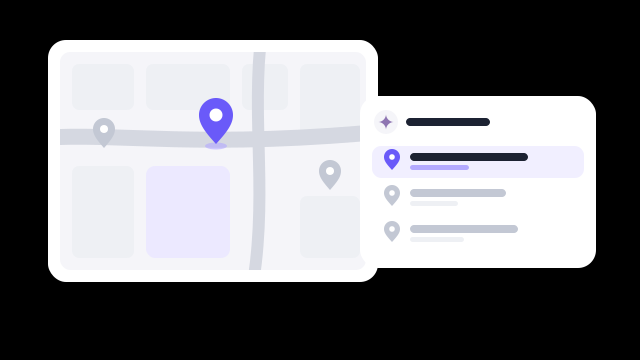
GEO for Local Businesses: Getting AI to Recommend You in Your City
How location-qualified AI answers work, grounded in real local-SEO research.
 Structured Data
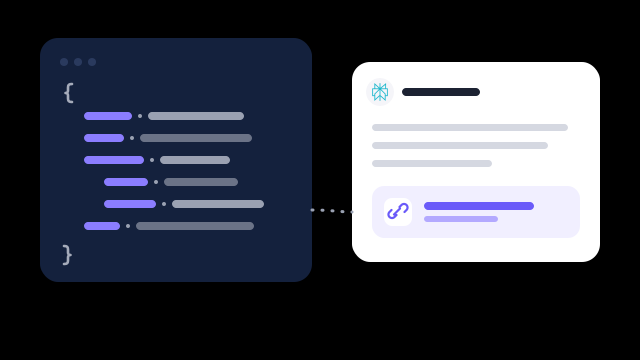
Does Structured Data Actually Help AI Citations? What We Know
What schema.org markup actually does for AI crawlers, versus unproven SEO folklore.
 AI Search Trends
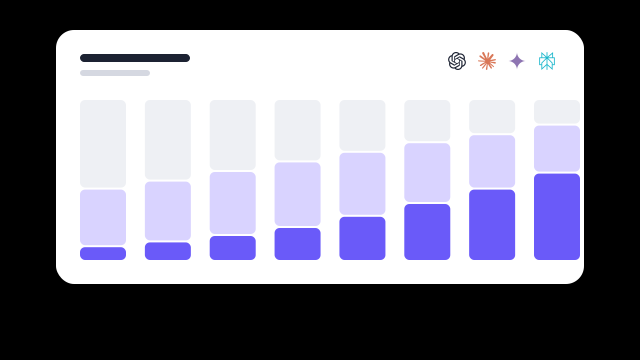
Why AI Recommendations Matter More Than Google Rankings in 2026
What the real usage and zero-click data says about how buyers research now — and what it doesn't.
 AI Ranking Factors
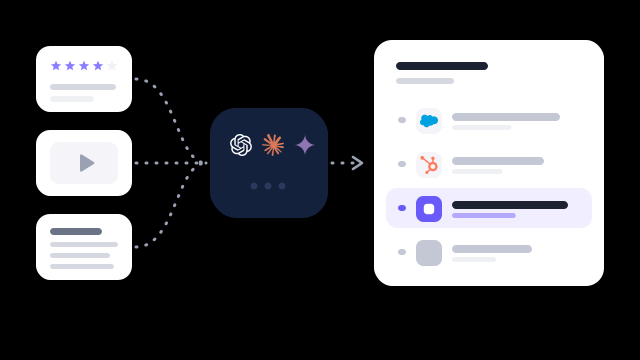
How AI Assistants Choose Which Brands to Recommend (And What's Still a Black Box)
What's publicly documented — and what's genuinely not knowable from outside the model provider.
 GEO Best Practices
The GEO Checklist: What to Check Before You Worry About AI Rankings
A practical, prioritized checklist — starting with knowing your baseline, not chasing tactics.
 Brand Monitoring
How to Track Whether AI Assistants Mention Your Brand
Manual spot-checks, one-off checks and weekly tracking compared, and what to look for in a tracking tool.
 Technical GEO
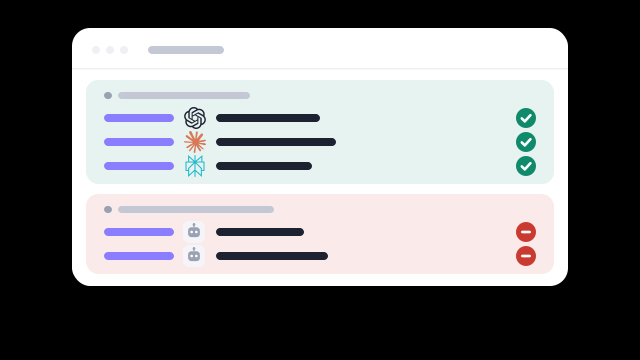
AI Crawlers and robots.txt: Which Bots to Allow
GPTBot, OAI-SearchBot, ClaudeBot and Google-Extended do different jobs. What blocking each one changes, and a robots.txt to copy.
 Technical GEO
What Is llms.txt, and Does It Help AI Visibility?
The format, who reads it today, what to put in yours, and why it isn’t the reason an assistant recommends you.
 Measurement
How to Track ChatGPT and AI Referral Traffic in GA4
A custom channel for AI assistants in ten minutes, the regex to paste, and the AI traffic GA4 will never show you.
 Reference
AI Search Glossary
GEO, AEO, share of voice, grounding, AI Overviews, GPTBot, llms.txt and more, each defined in a sentence or two.
Free tools
AI crawler checker
Whether your robots.txt lets GPTBot, OAI-SearchBot, ClaudeBot, PerplexityBot and 14 more in.
llms.txt validator and generator
Check a site’s llms.txt against the format, or build one from your key pages.
Structured data checker
JSON-LD, noindex and nosnippet, and server-rendered text, as a crawler sees them.
Buyer question generator
The questions your buyers ask AI assistants, grouped by intent.
Comparisons
AI visibility tools compared
Seven tools on entry price, free option, coverage and what you track, sourced and dated.
Mentioned vs Profound
An enterprise platform and a free-to-start one, side by side, including where Profound goes further.
Mentioned vs Peec AI
Price, models, prompts and cadence, from both pricing pages.
Mentioned vs Otterly.AI
The cheapest daily tracker and a free plan, compared honestly.
Mentioned vs AthenaHQ
Credits across 11 platforms against a free plan, with the arithmetic.
Mentioned vs Semrush AI Visibility Toolkit
Per-seat pricing, prompt limits and coverage, side by side.
Mentioned vs Ahrefs Brand Radar
A 514-million-prompt index and metered checks against a flat plan.